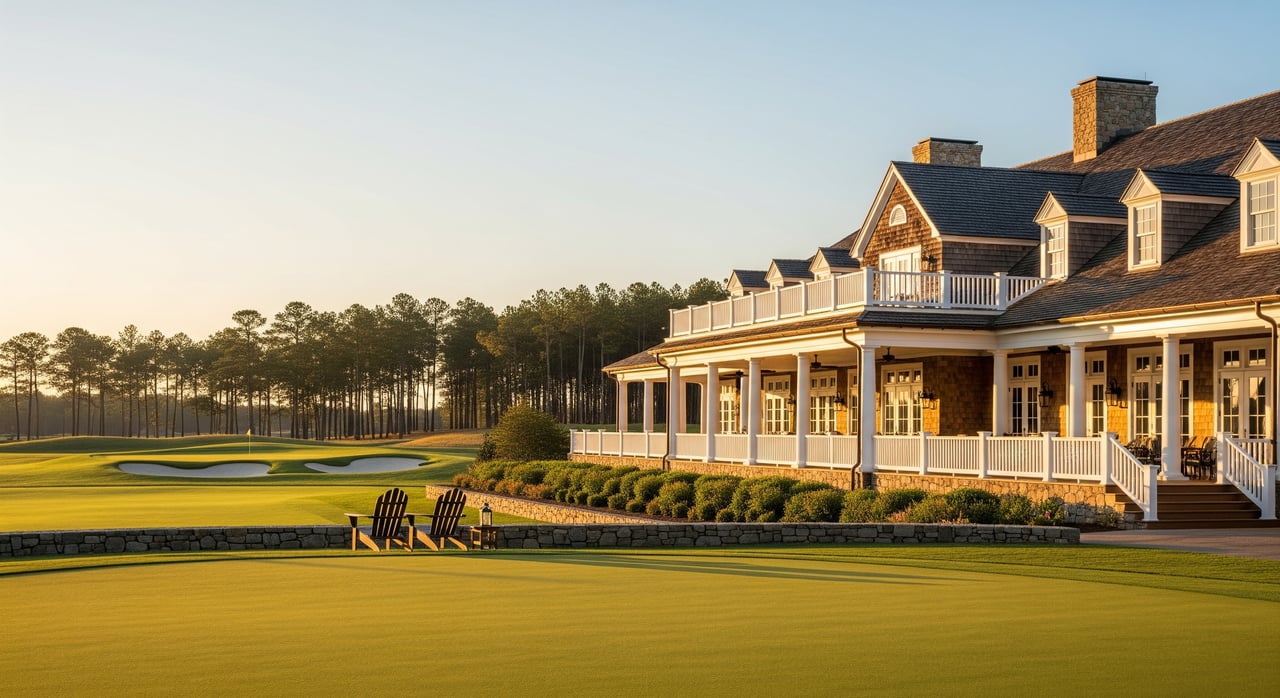
Pinehurst Country Club Memberships: Options Explained
January 1, 2026
January 1, 2026
Trying to make sense of Pinehurst country club memberships? You’re not alone. Between resort programs, private equity clubs, and community-based memberships, the options can feel complex. If you’re buying or relocating in Moore County, the right membership should match how you live, play, and plan to use your home. This guide breaks down membership types, transfer rules when purchasing a home, and the day-to-day differences among Pinehurst-area clubs so you can move forward confidently. Let’s dive in.
Pinehurst and greater Moore County blend resort-owned facilities with private, member-governed clubs and neighborhood community clubs. That mix creates very different experiences and contract terms.
Pinehurst Resort anchors the resort side of the market around Pinehurst No. 2 and multiple courses, hosting major tournaments and providing broad amenities. Private options like the Country Club of North Carolina are historically equity-style and golfer-centric. Residential community clubs such as Forest Creek Country Club and Pinewild Country Club often blend daily living with strong social and family amenities. Smaller clubs in the National No. 9 style focus on golf-first offerings with an intimate membership base.
This is the classic private-club path if golf is your priority. You typically receive full golf access, voting rights, clubhouse privileges, and priority tee times. Fees usually include an initiation plus monthly or annual dues, with refund or equity details set by the bylaws.
These options often provide broad access to amenities without governance rights. They can be tailored to professionals or frequent visitors who want access but not the responsibilities of full equity membership. Fee structures and tee-time priority differ by club.
Resort memberships are designed for seasonal residents and second-home owners who value flexibility and hospitality services. Expect strong practice facilities, member rates, curated events, and guest privileges, with tee-time priority set by the resort. For details specific to the resort’s programs and courses, consult the Pinehurst Resort official site.
These focus on pools, tennis, fitness, dining, and social calendars, with golf either limited or available at an added cost. They’re ideal if your household values club life but won’t use unlimited golf.
Short-term options help you test-drive a club or fit a part-year residency. They are common in resort markets and can be a smart bridge before paying a full initiation.
Membership transferability plays a major role if you plan to buy or sell a property in a club community. Understanding the model can prevent surprises at closing.
A deeded membership conveys with the property. When the home sells, the membership right transfers to the buyer as part of the deed. Pros include predictable conveyance and perceived value on resale. Cons include inheriting a membership class that may not be your first choice and carrying ongoing dues and assessments with the property.
Here, the membership is a separate asset that can be transferred or sold, typically with club approval and possible transfer fees. Buyers can opt in or out and negotiate value separately from the home. Timing and approvals matter, and market demand affects resale price.
This type is linked to the individual rather than the property. It generally ends on sale or resignation and is common at private clubs that want membership control through a board process.
Even transferable memberships may require a board vote or membership committee review. Some clubs cap the number of transfers per year or maintain waitlists, which can influence your closing timeline.
If you plan to split time between markets, a resort model can offer flexible access, hospitality services, and course variety aligned with event schedules. Convenience is high, with concierge-style support and strong practice facilities. Pinehurst Resort is the local benchmark for this category.
Equity-style private clubs focus on protecting the tee sheet, member tournaments, and club traditions. You’ll likely see strong committees and governance engagement. This model suits high-frequency golfers who value priority access and community around the game.
Residential club communities emphasize pools, tennis, fitness, dining, and multi-age programming. Golf is available but not always the only focus. These are good fits when your household includes both golfers and non-golfers.
Local hybrid clubs often offer a tight-knit, golf-forward experience with potentially more approachable dues. Expect local events and a strong community feel. Access and policies vary, so confirm the specifics in writing.
Estimate your total annual membership cost by amortizing your initiation fee over your expected membership years, then add annual dues and typical fees. Divide by your expected rounds or visits per year to get a personal cost-per-use. Balance that math with non-financial value like social networks, guaranteed access, junior programs, and the day-to-day convenience you expect.
Membership offerings and policies change. Always confirm with the club’s membership office and get it in writing before removing contingencies. For resort programming, courses, and contact information, start with the Pinehurst Resort official site. For other private and community clubs, contact the club’s membership office directly and review HOA or CCR documents when applicable.
Choosing the right club is as personal as choosing the right home. You deserve clear answers on membership types, transfer rules, and daily life across Pinehurst, Southern Pines, and the Sandhills. If you want a partner who understands both the real estate and the club side of the decision, connect with The Gentry Team for tailored guidance on neighborhoods, membership fit, and next steps.
Stay up to date on the latest real estate trends.
If working with a team that truly gives back to the community matters to you, we would make a great match. Reach out today to get started on buying or selling your home with a team that knows Moore County inside and out. With decades in the industry and an exceptional team of sales specialists, The Gentry Team has sold more homes than any other real estate firm in Moore County—and more than the total volume of most real estate companies in the region. This level of experience is unmatched, allowing us to help you sell your home for top value while anticipating and handling every detail along the way. We work collaboratively, combining our collective expertise to achieve the very best results for our clients. It is an approach built on trust, teamwork, and proven success. When you work with real locals, you get real results.