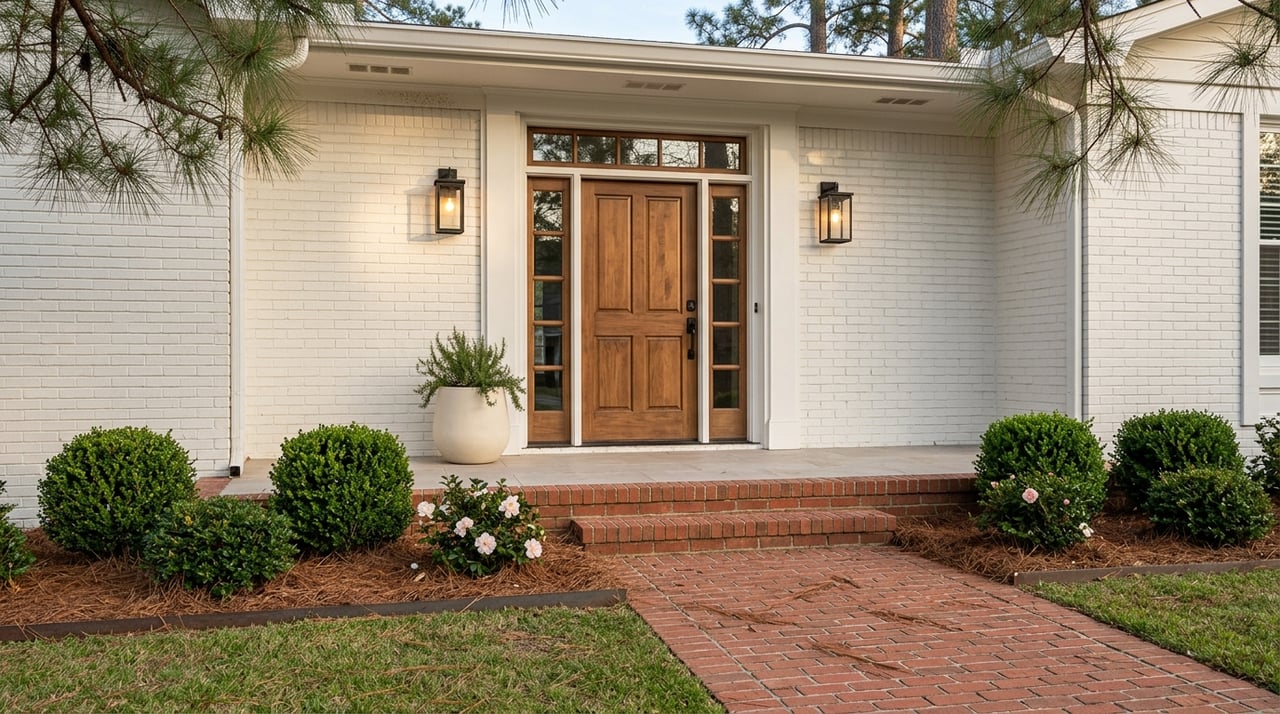
Historic Aberdeen NC Homes And Lifestyle Guide
May 14, 2026
May 14, 2026
Looking for a place with real character, a walkable downtown feel, and homes that do not all look the same? Aberdeen offers a different side of Moore County. If you are exploring where to live in the Sandhills, this guide will help you understand Aberdeen’s historic roots, housing options, lifestyle, and what makes it stand apart. Let’s dive in.
Aberdeen’s identity is closely tied to rail and timber history. The town notes that it began as Bethesda and Blue’s Crossing, was renamed Aberdeen in 1888, and grew around the rail line that arrived in 1877. That history still shapes how the town looks and feels today.
The heart of Aberdeen is not just older. It is preservation-minded. The town describes its central business district as a North Carolina Main Street Community and Main Street America Affiliate, and its downtown remains centered on a historic core with shops, cafes, art, and antiques rather than a generic commercial strip.
If you spend time in the older parts of town, you will likely notice mature trees, front porches, and streets that feel established. Local design guidelines also emphasize tree canopy, lawns, shrubs, and informal gardens as part of the district’s character. That helps explain why historic Aberdeen feels residential and welcoming, even near downtown.
Aberdeen’s historic housing stock is especially associated with early-20th-century homes. According to the town’s design guidelines, the most common historic house style is the Bungalow. Queen Anne, Neoclassical Revival, and American Foursquare homes are also part of the mix.
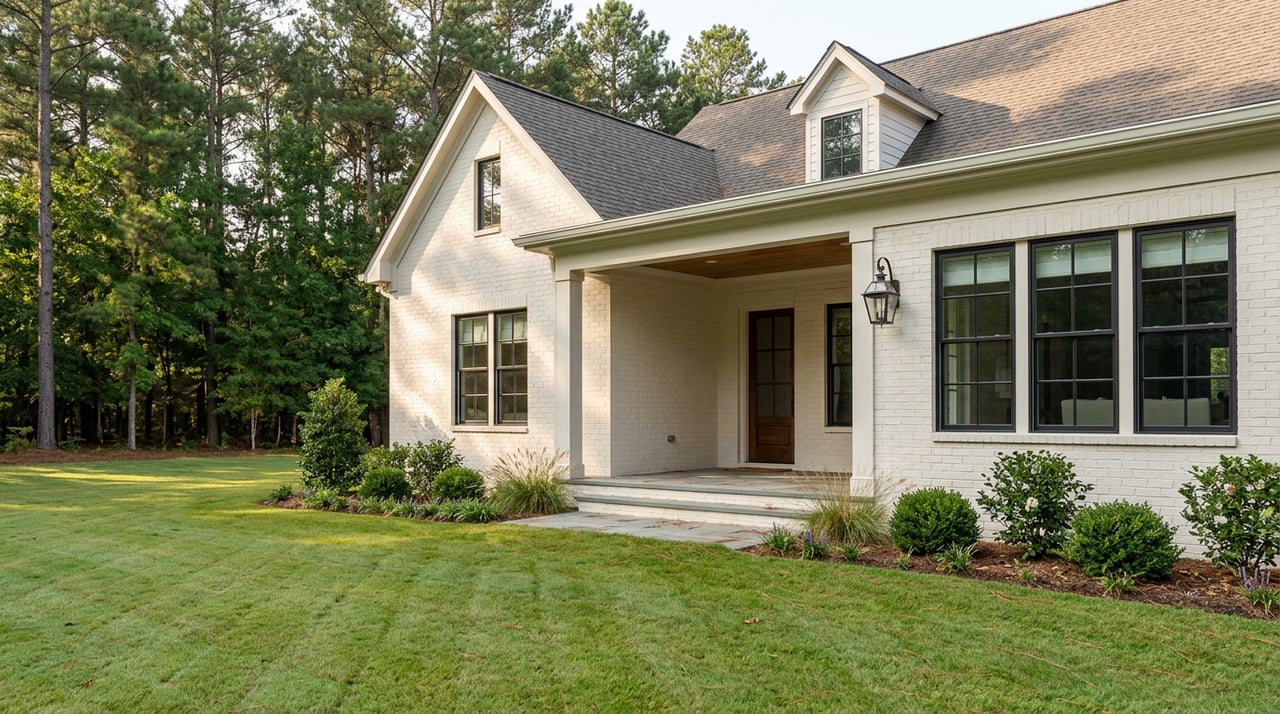
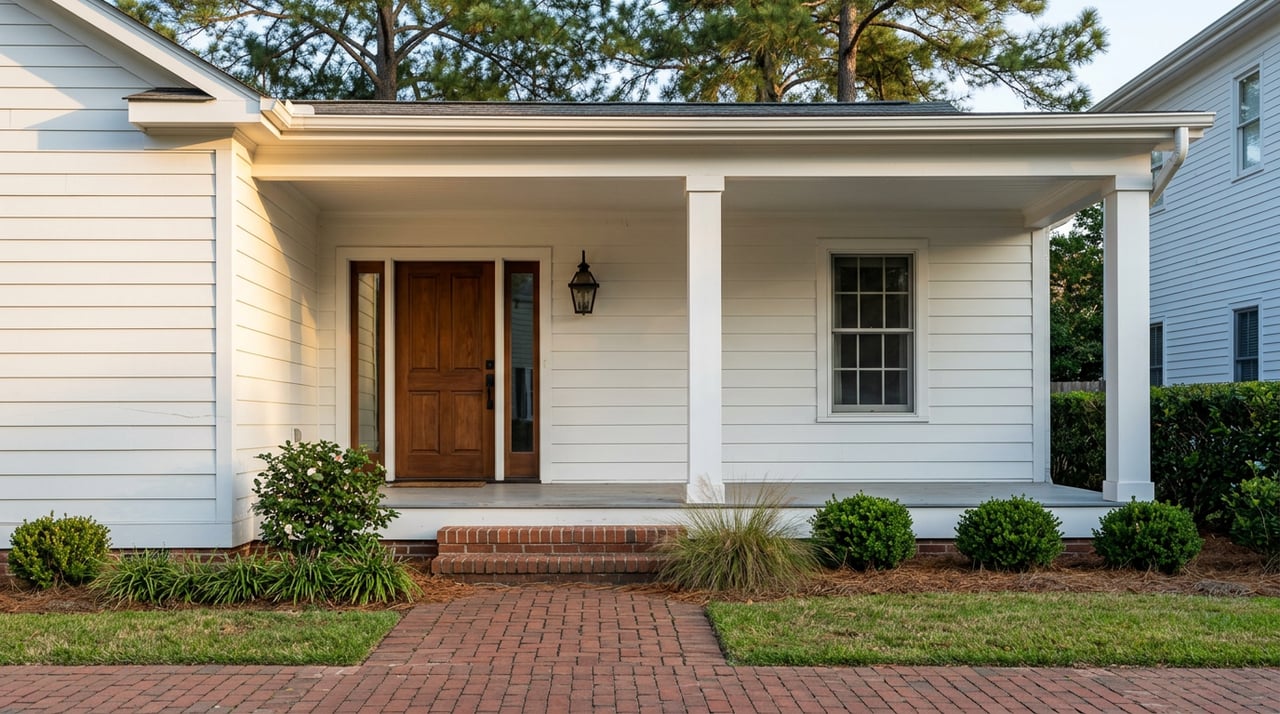
These homes were often designed for narrower lots and strong street presence. Features like porches, wide eaves, and distinctive architectural details are common. For many buyers, that means more personality and visual variety than what you typically see in newer subdivisions.
If you are drawn to homes with architectural detail, older landscaping, and a sense of place, Aberdeen’s historic core may be worth a closer look. The area offers a style of living that feels rooted and established. That can be a major draw for buyers who want more than a standard floor plan.
If a home is inside Aberdeen’s locally designated historic district, exterior changes may involve guidance from the town’s Historic Preservation Commission. This is an important point if you are considering updates to the outside of the home. It does not mean you cannot improve a property, but it does mean you should expect an added layer of review.
For the right buyer, that review process can be part of the appeal. Historic standards help protect the overall character of the district. If preserving architectural charm matters to you, that structure may support the long-term feel of the neighborhood.
A helpful way to think about Aberdeen’s housing stock is old core, newer edges. Town planning materials show that residential land uses dominate, with most single-family housing located east and west of US 1. There are also multi-family pockets along Poplar Street and Saunders Boulevard.
Current planning and permit activity show that Aberdeen continues to grow. Town records reflect new single-family dwellings and townhouses, which means buyers can often explore a broader range of choices than historic homes alone. Depending on your goals, that can open the door to lower-maintenance living or newer construction features.
In practical terms, Aberdeen’s housing options often fall into a few broad categories:
That range is part of Aberdeen’s appeal. Whether you want vintage charm, updated convenience, or a more recently built home, the town offers multiple paths into the market.
Aberdeen offers more day-to-day activity than some buyers expect from a smaller town. The town highlights a downtown atmosphere that attracts historians, artists, and golfers, and the core has a social district that supports a walk-around, linger-a-while feel. If you value a place where you can spend time instead of just passing through, that matters.
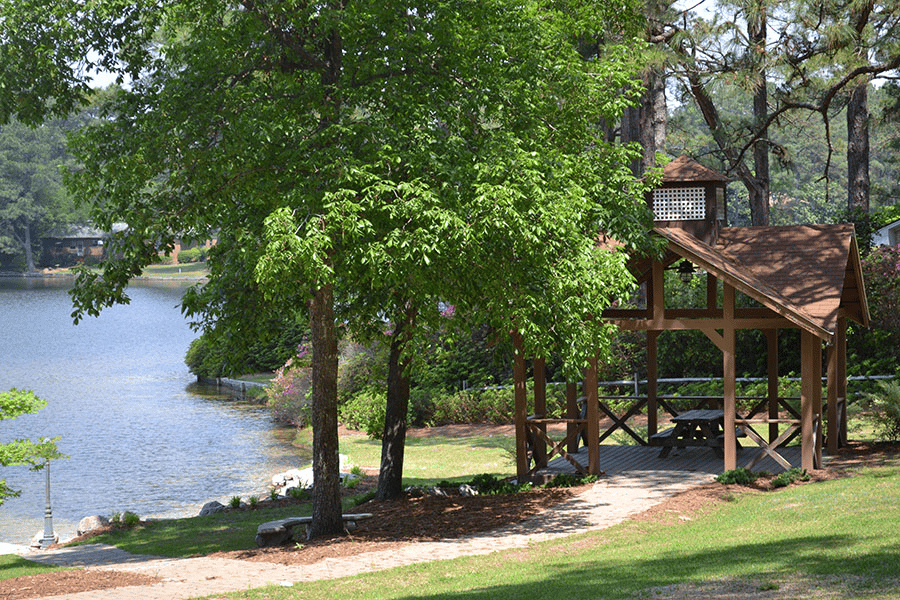
Outdoor recreation is woven into daily life here. Aberdeen Lake Park includes a recreation center, picnic shelter, playground, pickleball courts, fishing, non-motorized boating, open space, and a 1.5-mile gravel trail. The town also maintains Main Street Park and Aberdeen Ransdell Sportsplex, a 32-acre park with six lighted soccer fields.
Cultural life is also easy to spot. The town’s arts resources point to the Artists League of the Sandhills and the Arts Council of Moore County, while the Sandhills Central Railroad Club adds a hands-on connection to local rail history. The club is free and open to the public on Saturdays at the Aberdeen Trail Depot.
Newer community spaces and recurring events also add to the appeal. The Aberdeen Library opened a new downtown facility in 2026 next to the Artists League of the Sandhills and Main Street Park. Town events have also included a summer Third Thursdays music series downtown and free movies at Aberdeen Lake Park, which support an active, event-driven local culture.
If you are comparing Aberdeen with Pinehurst or Southern Pines, the differences often come down to feel and positioning. Aberdeen tends to come across as the more historic, railroad-centered option. Its downtown preservation and Main Street identity are central to the town’s character.
Location is also part of the story. Aberdeen sits along major corridors including US 1, US 15-501, NC 211, and NC 5. That makes it a practical base for getting around southern Moore County while still living in a town with a defined historic center.
Recent market snapshots also suggest Aberdeen often prices below Pinehurst and Southern Pines. That is not a fixed rule, but it is useful context if you want access to the broader Moore County lifestyle while starting your search in a potentially more accessible part of the market.
Aberdeen may be a strong fit if you want:
For some buyers, that combination is hard to find. Aberdeen blends local history, everyday convenience, and a sense of place in a way that feels different from more resort-centered areas nearby.
If you are seriously considering a historic home in Aberdeen, it helps to look beyond curb appeal. Older homes can offer charm and craftsmanship, but they may also come with different maintenance needs, renovation questions, or review requirements for exterior changes. Knowing what to ask early can make your search smoother.
As you evaluate properties, keep these points in mind:
The right fit depends on your priorities. Some buyers fall in love with a porch, a mature lot, and historic detail. Others decide they want Aberdeen’s location and lifestyle, but in a newer home with more modern systems and layout.
Aberdeen is easy to underestimate if you only look at it on a map. In person, the town offers a layered mix of history, housing variety, parks, local culture, and convenient access across Moore County. That is why local context matters when you are deciding where to focus your search.
If you are comparing a bungalow near downtown with a newer subdivision home on the edge of town, the decision is about more than square footage. It is about how you want to live, what kind of setting feels right, and how the town fits into your daily routine. A local team can help you weigh those tradeoffs clearly.
Whether you are relocating, searching for a primary home, or exploring your options across the Sandhills, Aberdeen deserves a close look. If you want experienced local guidance as you compare neighborhoods and homes in Moore County, connect with The Gentry Team to request a free market valuation or consultation.
Stay up to date on the latest real estate trends.
If working with a team that truly gives back to the community matters to you, we would make a great match. Reach out today to get started on buying or selling your home with a team that knows Moore County inside and out. With decades in the industry and an exceptional team of sales specialists, The Gentry Team has sold more homes than any other real estate firm in Moore County—and more than the total volume of most real estate companies in the region. This level of experience is unmatched, allowing us to help you sell your home for top value while anticipating and handling every detail along the way. We work collaboratively, combining our collective expertise to achieve the very best results for our clients. It is an approach built on trust, teamwork, and proven success. When you work with real locals, you get real results.